
Agentic engineering,
with grown-up
infrastructure.
We are an eighteen-year-old Singapore software studio that re-formed around AI agents. We ship agent crews — not slide decks — into the kinds of systems regulators actually inspect. Same encryption, audit logs and PDPA discipline as before. Roughly an order of magnitude faster.
A CTO you can afford. A team that can build.
Fractional CTO plus the engineers to execute, for one monthly fee. Led by Timothy Mo and Scott Li.
Explore CTO Services →
- 01
The work moved from writing code to specifying intent and reviewing output. We re-tooled the studio around it.
- 02
IMDA published the world's first agentic-AI governance framework in Jan. Buyers will start asking. We already build to it.
- 03
Most "AI agencies" are eighteen months old. We've held production for eighteen years. The boring parts compound.
Three rooms behind the lobby. Walk into the one that's yours.
Most of our work this year falls into three buckets, and each has a slightly different conversation, procurement style, and shape-of-team. We split them on purpose so the proposal you receive isn't the generic AI-agency one.
Your stack is fine. Your speed isn't.
We can drop an agent crew into your current .NET / MS SQL / AWS estate without rewriting it. You get faster delivery and the same audit trail.
Agentic AI, the way IMDA wrote it.
We build inside the Model Governance Framework for Agentic AI launched at WEF 2026. PDPA, audit logs, role-scoped autonomy. Not bolted on after.
Embed a crew. Ship every week.
Our embedded delivery team runs Claude Code + custom evals against your real domain. We do it weekly for WaterDoctor, an NUS spinoff. We can do it for you.
Four shapes of work.
The headline is the agentic build. Around it sits the infrastructure, the training and coaching, and — for teams who can't put PDPA-class data on a public LLM endpoint — a private model on your own hardware.
Build & ship
Product engineering, websites, and SEO/GEO content via the Article Studio crew. The same .NET, Node, Postgres, MS SQL, AWS and Azure stack as before — now AI-integrated by default.
Deep dive →Infrastructure & security
CIS-benchmark hardening for Linux and Windows. The secure-AI-routing bridge that lets engineers use agentic CLIs without your data leaving the building.
Deep dive →Consulting & training
Hands-on training on Claude Code, Codex CLI and Gemini CLI. OpenClaw and Hermes Agents setup. Eval-harness and context coaching that gets a team past the demo.
Deep dive →Private LLM deployment
Open-weights LLM on hardware you own. GPU procurement, vLLM/TGI deploy, optional LoRA finetune, OpenAI-compatible internal endpoint behind your SSO and audit log.
Deep dive →We don't sell "an AI agent." We field crews.
One agent on its own is a demo. A small team of agents, with a human editor and a real eval harness, is a system. Below are three crews running inside our studio right now — including the one we embedded with a deep-tech client.
1 crew : 1 outcome
1 human : 1 final approval
1 eval : every commit, no exceptions.
Reads inbound, enriches it against ACRA, LinkedIn and tender feeds, drafts a tailored response, and hands it to a human within the hour. Our pipeline runs while we sleep.
- scout.agent — inbound triage + enrichment
- drafter.agent — proposals from past-win library
- scheduler.agent — calendar + follow-up loop
- human-in-the-loop — every send is approved
Most of this site’s articles are produced by this crew, with a senior engineer as editor. Vibe-coded drafts, but every claim is grounded in a real wGrow project or a cited source.
- researcher.agent — sources + Singapore angle
- drafter.agent — long-form, voice-controlled
- fact-checker.agent — citations and numbers
- editor (human) — every piece, before publish
Four agents and two senior engineers embedded with WaterDoctor — an NUS spinoff building AI-integrated biofilm reactors. Sensor data → adaptive control loops → reports a regulator can read. The hard kind of agentic.
- ingestor.agent — sensor + lab telemetry
- controller.agent — adaptive treatment loop
- reporter.agent — auditable run summaries
- two senior wGrow engineers, on the ground
Industrial agentic AI for WaterDoctor.
WaterDoctor is an NUS spinoff building AI-integrated biofilm reactors for water and aquaculture. wGrow is WaterDoctor's strategic technology partner — we designed and operate the agent crew that runs their adaptive treatment loops. Sensor and lab telemetry in. Regulator-readable run reports out.
Read the engagement →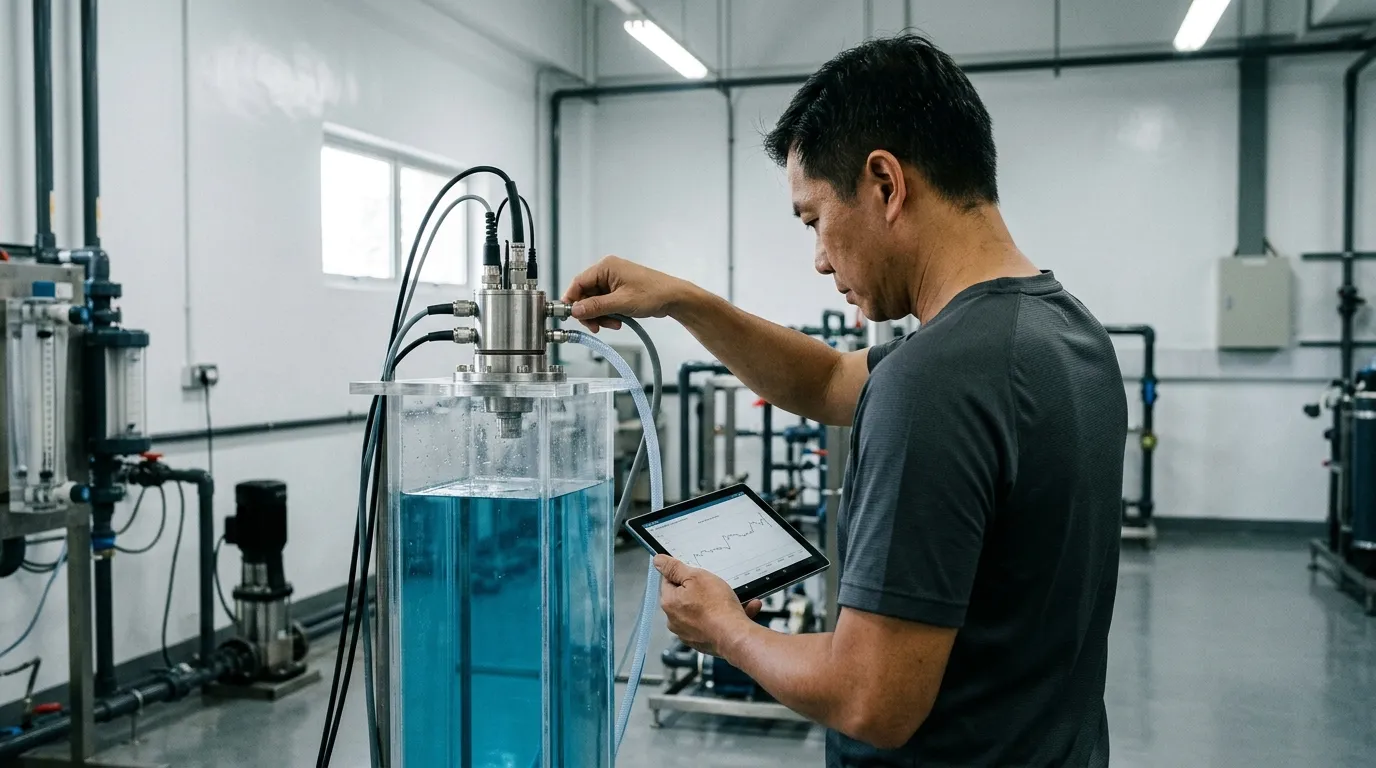
- Pollutant discharge
- −50%+
- Water exchange
- −90%
- Energy / unit
- −30%
The boring track record an AI agency can't fake.
A short list of systems we built and still patch. The rebrand is real; the foundation is older than most of the agencies announcing themselves this quarter.
- Patient ManagementAWS · MS SQL · field-level encryption · PDPA
- Legal Case Management10-step case workflow · auto billing · client portal
- eCommerce PlatformVitasg · Xpressflower · Paynow / Paylah
- TECOM Order ProcessingLazada · Shopee · TikTok · Amazon · unified inventory
- Grants ManagementApplication portal · expert review · claims · audit reports
- Green Data Centre ReportsSS 564 · IoT sensor ingest · PUE reporting
- Pharma Production PlanningSales↔production balancing · safe-stock guards
- Investment ManagementEncrypted client data · annual invoicing · commission ledgers
- Course & Class ManagementQR attendance · SMS reminders · billing
Notes on AI coding, vibe coding, and the discipline that comes after.
Long-form pieces from the studio. Most are produced by our Article Crew with a senior engineer as editor. We try to publish what we actually learned that week, not what's trending.

The 50-Year Compile: How 1970s Math Defeated GOFAI and Built Modern AI
Paul Werbos derived backpropagation in 1974 on a machine that could not run it. The fifty-year wait between the math arriving and the compute catching up is the story of how 1970s ideas, not 2010s ones, built modern AI.

The Million-Token Mirage: A Micro-Modular Framework for AI Coding
Massive AI context windows degrade reasoning and introduce silent code regressions when treated as infinite storage. Engineers must cap working context at 30 percent and enforce strict session hygiene using handover notes to maintain architectural continuity.

The Memory Bottleneck: Why Your Curator Agent Dictates AI Success
Massive context windows aren't working memory—they are unsearchable junk drawers that degrade agent reasoning. To prevent context collapse, multi-agent systems require a dedicated Curator agent to actively filter, deduplicate, and synthesize information.

Inside the Article Crew: nine stages, ten specialists, and a 95% claim-coverage gate.
The editorial pipeline we run inside WaterDoctor's backend. How one agent per stage, a verbatim-quote check, a Crossref DOI cross-check, and a live-URL fetch keep fabricated citations out of the prose.

Inside the WaterDoctor Crew: a research desk and a sensor-to-PDF agent on a weekly cadence.
Two pipelines, one weekly cadence, one human gate. How the WaterDoctor crew reads ten aquaculture journals, fact-checks every paper, then turns each pond's pH/DO/ammonia stream into a bilingual PDF the farm manager, the vet and the regulator can all read off.
Shorter, more often. The notes we'd email a client.
Technical write-ups, agent-team updates, and project field notes. Updated weekly.
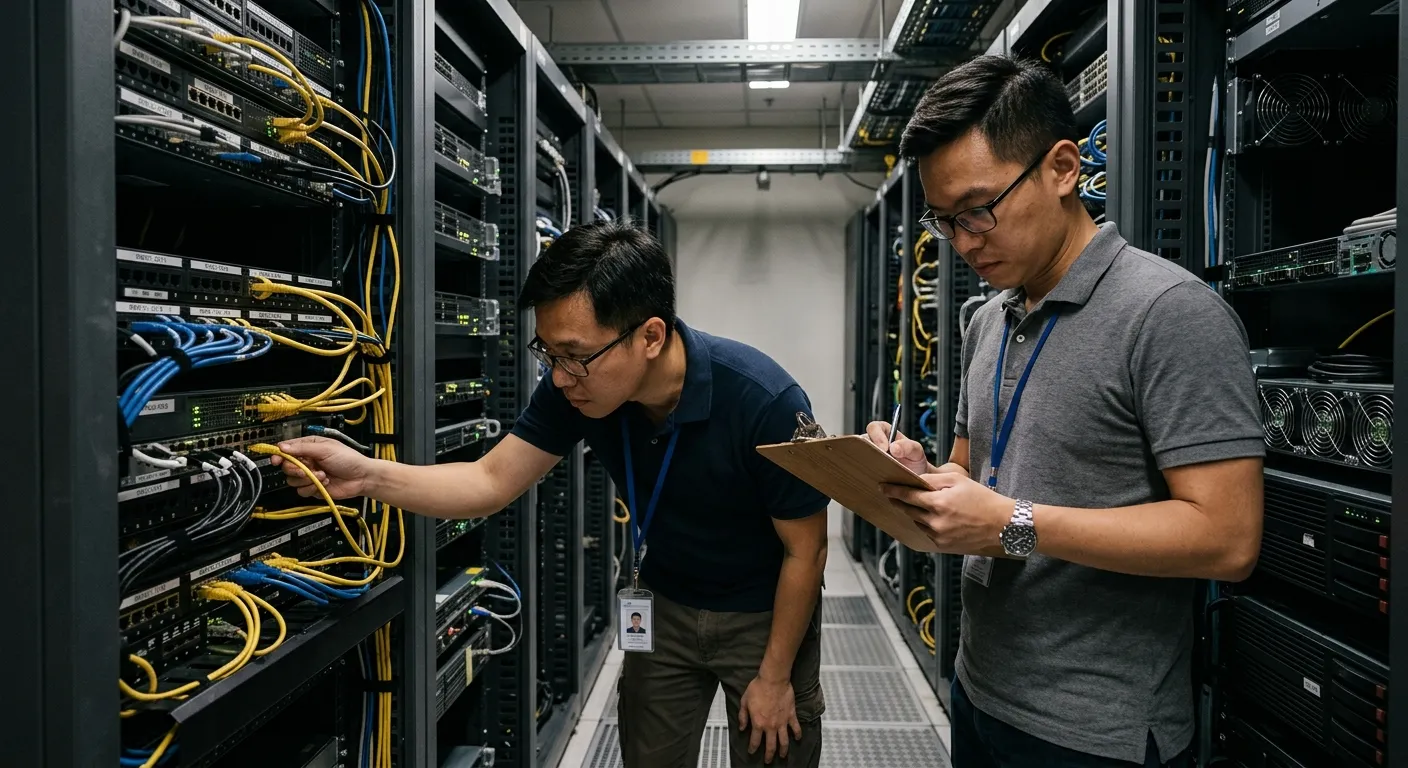
Private MCP Tunnels Need Asset Registers
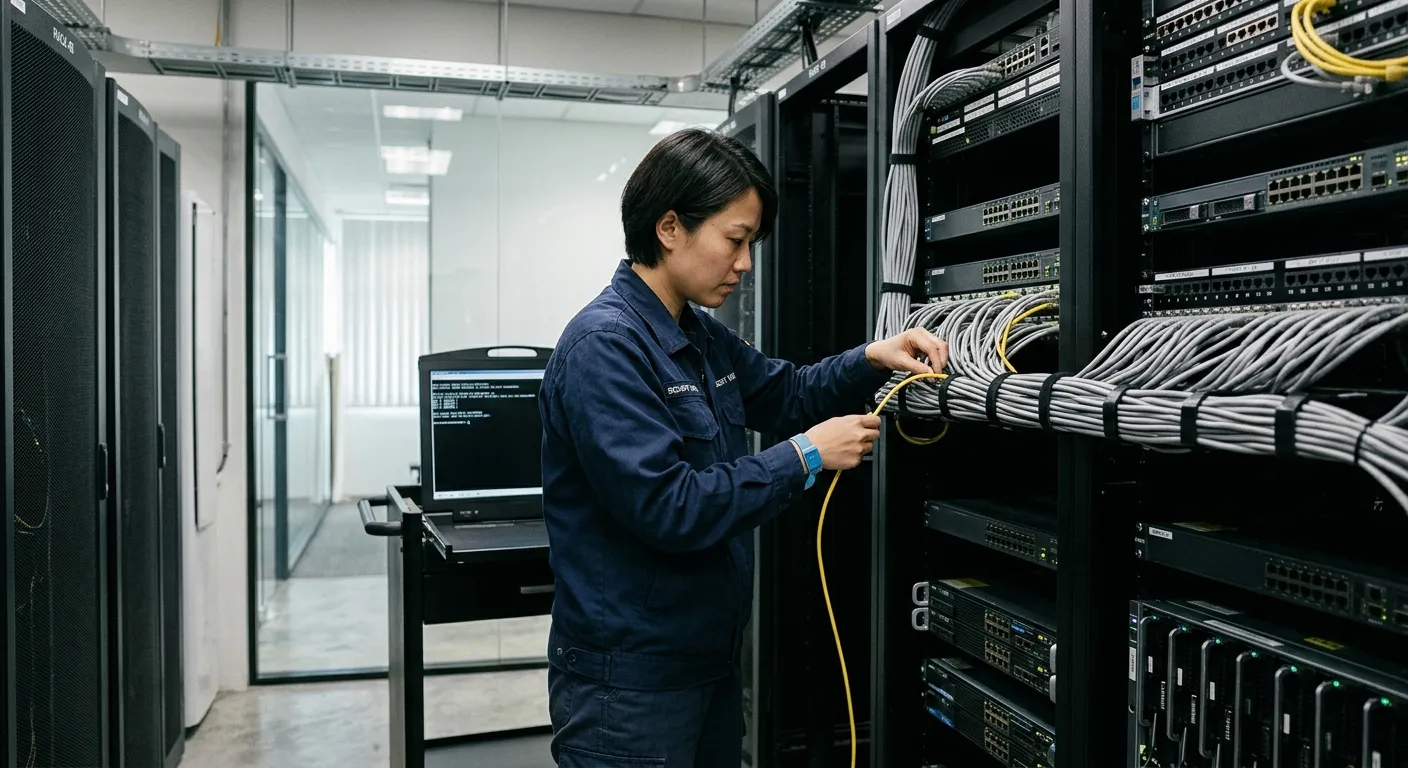
RAG Pipelines Must Inherit Row-Level Security
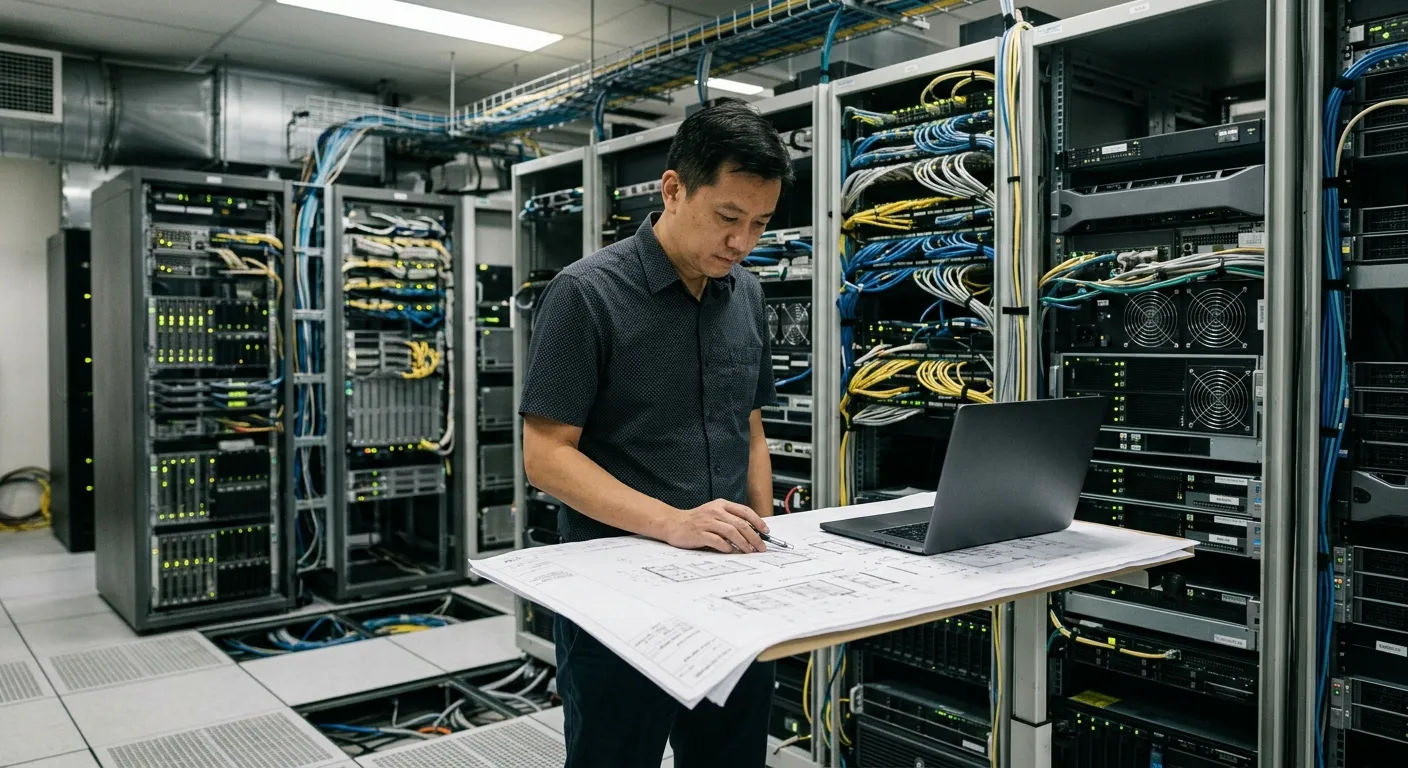
On-Prem Agents Need Data-Gravity Runbooks

Cursor Blame Makes AI Authorship A Permanent Audit Surface
Three rooms behind the lobby.
Walk into the one that's yours.
Tell us the shape of it — a system to ship, a team to train, a model to host. We'll send a real engineer back within one business day.